Recognizing Bed Bugs: Indicators, Symptoms, and Proven Treatment Solutions
Bed bugs are a widespread problem in many households. These small, brownish insects can go unnoticed, concealing themselves in mattress seams and upholstery. Their presence is often revealed through reddish-brown marks and irritating welts on uncovered skin. Knowing how to recognize these insects and their impact is crucial. Reliable solutions can be found, but knowing how to implement them is key to regaining control of one's living space. What steps should one take to address an infestation?
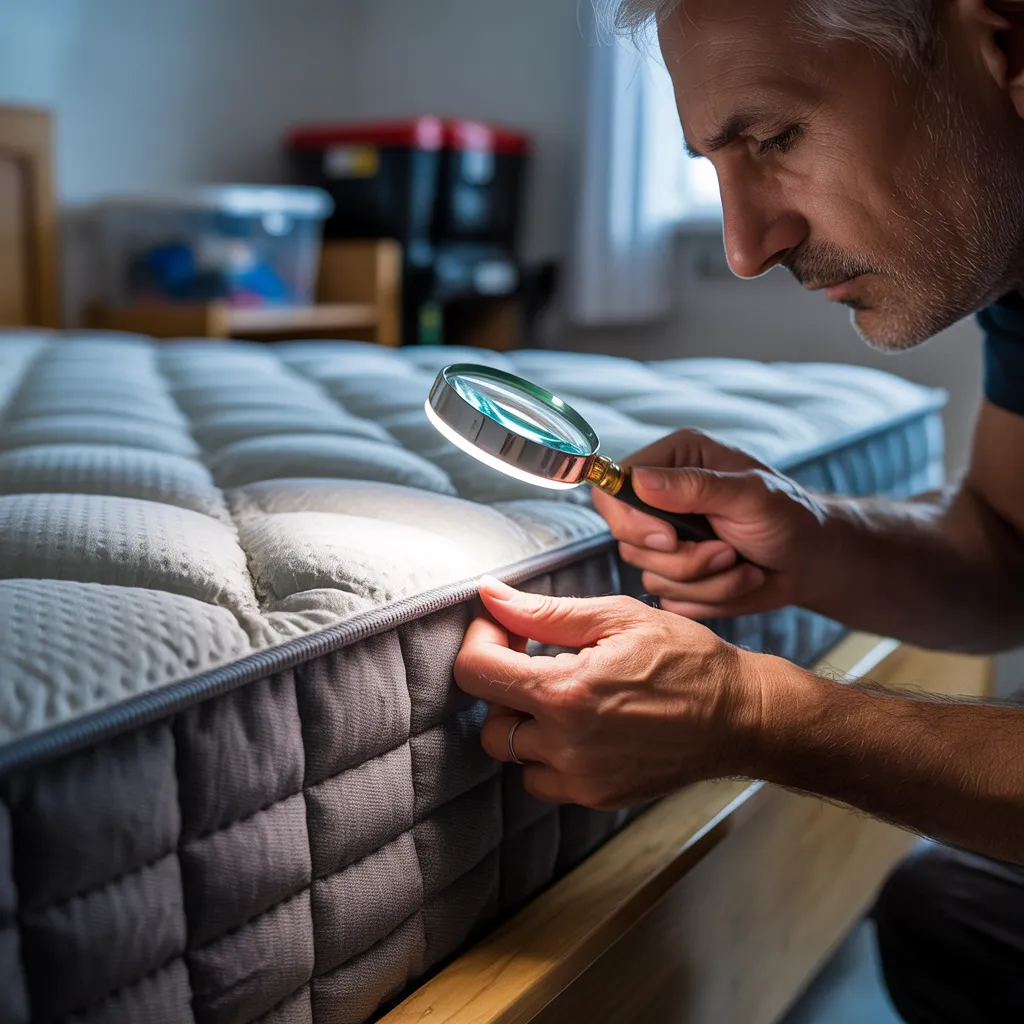
How to Spot Bed Bugs in Your Home
Detecting bed bugs in a residence demands careful observation and thoroughness. These pests are small, brownish insects that often hide in cracks and crevices. Their compressed begin here bodies permit them to slip into narrow spaces, making them hard to find. Typical concealment areas include mattress seams, bed frames, and cushioned furniture. Residents should perform routine checks, particularly after trips or introducing secondhand belongings into the house.
Signs of an infestation include small reddish-brown spots on sheets, which are fecal matter, and minuscule white eggs or molted skins. A distinctive musty smell may also occur in severely affected areas. It is vital to check not only sleeping areas but also adjacent rooms, as bed bugs can migrate. Utilizing a flashlight and a magnifying glass can help with the detection. Prompt identification is crucial for successful treatment and avoiding a widespread infestation.
Identify Bed Bug Bites and Symptoms
Bed bug bites commonly present as small, reddish, itchy bumps on the skin, often grouped in clusters or arranged in a line. Such bites are frequently found on exposed areas of the body, such as the arms, legs, and neck. Even though scratching in response to the itching can intensify discomfort, these bites generally do not spread diseases.
The schedule of the bites may also offer insights; they commonly develop during the night after bed bugs have fed. A number of individuals might develop late-onset reactions, leading to more pronounced symptoms over time. In addition to the welts, signs of a bed bug infestation may include redness and swelling around the bite site.
Identifying these symptoms promptly is vital for addressing possible infestations and related issues. Recognition of these warning signals enables affected persons pursue appropriate action to avoid continued exposure and discomfort, supporting early treatment.
How to Properly Address Bed Bug Infestations
Recognizing the signs of bed bug bites highlights the importance of reliable treatment methods to manage pest infestations. Property owners should initially perform a comprehensive examination of their living spaces, paying close attention to bedding, crevices, and furniture seams. Once bed bugs are confirmed, clearing the affected area can facilitate pest control treatment.
Heat treatment is an exceptionally powerful approach, as bed bugs at all life stages are eliminated by temperatures exceeding 120°F. Trained extermination professionals commonly apply this technique, alongside bed bug-targeted insecticide treatments. Strict compliance with label directions is necessary to achieve safe and effective results.
Furthermore, cleaning infested linens in hot water and running them through a high-heat drying cycle can eliminate bed bugs. Filling and sealing gaps and utilizing bed bug-resistant covers on both mattresses and box springs can guard against future re-infestation. Consistent efforts paired with multiple treatment methods will produce the most effective outcomes in addressing bed bug infestations.
How to Prevent Bed Bug Infestations in Your Home
Effective prevention of bed bug infestations requires proactive measures that homeowners can implement. It is essential to regularly inspect sleeping areas, such as mattresses, box springs, and headboards. Homeowners need to check for telltale signs such as small dark spots, shed skins, and live bugs. Keeping clutter to a minimum reduces potential hiding spots, making it easier to spot infestations early.
Additionally, covering mattresses and pillows with protective encasements can help protect against bed bugs. During travel, examining hotel rooms and keeping luggage elevated off the floor can reduce the chances of bringing bed bugs home.
Closing off cracks and crevices in baseboards, walls, and window frames effectively blocks potential entry points. Homeowners should also launder and dry linens and clothing on high temperature settings regularly to kill any hidden bugs. Through the use of these precautionary measures, the chances of a bed bug infestation can be significantly minimized, creating a safer and more pleasant living space.
How to Handle the Aftermath of a Bed Bug Infestation?
When a bed bug infestation has been detected, immediate action is critical to achieve thorough extermination. To begin, residents should carefully examine their home environments, including mattresses, furniture, and crevices, to detect any lingering pests or newly laid eggs. Dispose of severely contaminated belongings carefully, placing them in sealed plastic bags to contain the infestation.
Additionally, washing bedding and clothing in hot water and drying them on high heat effectively destroys remaining bed bugs. Running a vacuum over carpets, hard floors, and upholstery and then properly disposing of the vacuum bag is a necessary step in eradicating bed bugs from your home.
Professional pest control services are often necessary to guarantee full elimination, utilizing targeted treatments like heat or chemical applications. After treatment, monitoring for signs of re-infestation is critical, and keeping the area clean can assist in avoiding future incidents. Keeping a log of the infestation and steps performed may be advantageous for future needs.
Common Questions and Answers
Can Bed Bugs Survive in Cold Weather?
Bed bugs can survive in cold weather but are less active. They transition into a dormant state when temperatures drop below 50°F, permitting them to tolerate freezing conditions over extended stretches of time, yet they remain most comfortable in warmer environments.
Do Bed Bugs Spread Pathogens to Humans?
Bed bugs do not transmit diseases to humans. Even though their bites are known to cause discomfort and allergic reactions, they pose more of an annoyance than a risk for serious illnesses, as stated by health experts and entomologists.
How Long Can Bed Bugs Survive Without a Host?
Bed bug infestations are capable of surviving without a host for months at a time, usually spanning a period of two to six months. Their remarkable durability enables them to withstand extended periods without a blood meal, presenting significant challenges for individuals attempting to eradicate these pests.
Are Bed Bugs Visible to the Naked Eye?
Absolutely, bed bugs can be seen to the naked eye. Usually measuring 4 to 5 millimeters in length, their flattened, oval-shaped bodies make them easy to spot, especially when clustering in affected areas or common hiding places.
Are Pets Capable of Bringing Bed Bugs Into the Home?
Bed bugs cannot be carried on pets' bodies, as these parasites mainly thrive in human living spaces. Nevertheless, animals may unknowingly carry bed bug eggs or larvae on belongings such as clothing or luggage, introducing them into homes.